Downtown & Central Beaverton
Restaurants, services, civic destinations, housing, MAX, and bus connections give the central area an increasingly mixed-use character.
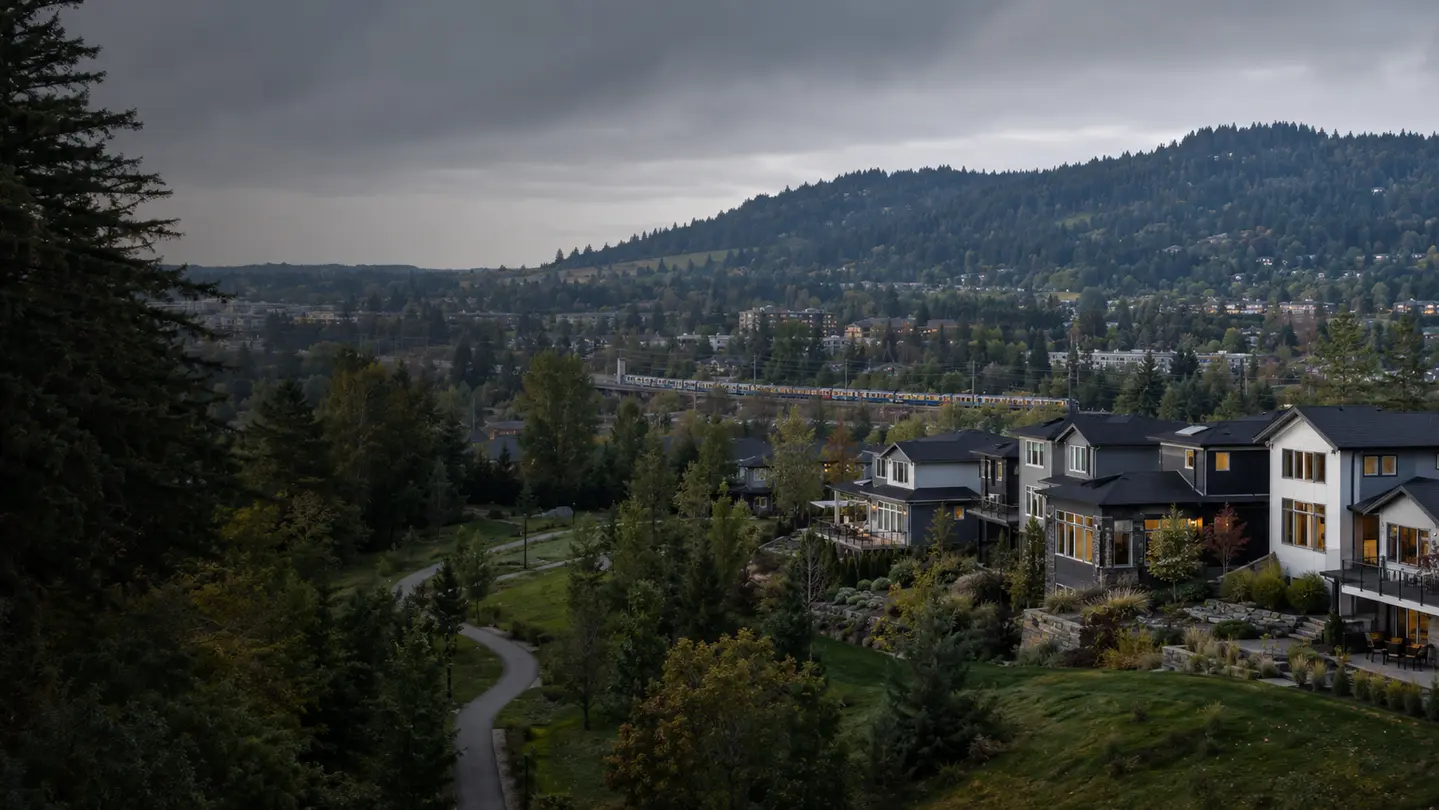
Beaverton • Washington County
Explore a well-connected westside city with established neighborhoods, growing districts, employment access, parks, trails, and an exceptionally broad housing mix.
Beaverton real estate guide
Beaverton offers buyers many versions of westside living within a compact, connected market.
Downtown, Central Beaverton, Cedar Hills, Progress Ridge, Murrayhill, South Cooper Mountain, and other areas differ in housing age, street pattern, amenities, and commute options. The city highlights more than 100 parks, about 30 miles of hiking trails, and a 25-mile bike-path network.
MAX, WES, major employment areas, and Highway 217 shape many home searches. Brian helps buyers compare exact jurisdiction, taxes, service districts, HOA obligations, current sales, and property condition because a Beaverton mailing address does not always mean the property is inside city limits.
Four defining connections
These community-wide highlights are useful orientation points. The exact home, block, jurisdiction, and daily route still determine fit.
Restaurants, services, civic destinations, housing, MAX, and bus connections give the central area an increasingly mixed-use character.
The city reports more than 100 parks, roughly 30 miles of hiking trails, and a 25-mile bike-path network across the community.
Highway 217, MAX, WES, and major westside employment centers make transportation a central part of many Beaverton searches.
Buyers can compare mature neighborhoods, condominium communities, townhomes, and newer construction in areas such as South Cooper Mountain.
Compare the community
These are orientation points, not rigid boundaries. A focused tour helps show how housing, terrain, access, and services change from one area to the next.
A mix of older homes, apartments, condominiums, townhomes, local businesses, civic facilities, and transit supports a more urban westside routine.
Ask Brian about this setting →Murrayhill, Sexton Mountain, Progress Ridge, and nearby areas offer varied elevations, parks, planned developments, and homes from several recent decades.
Ask Brian about this setting →Newer communities provide contemporary plans and infrastructure, while buyers should compare HOA rules, construction phase, lot position, and future surrounding development.
Ask Brian about this setting →Homes in Beaverton
The right choice depends on more than appearance. Condition, site, parking, HOA health, utilities, permits, and monthly costs can change the ownership experience.
“Start with the way you want to live, then investigate the property with discipline.”
Established neighborhoods contain housing from many postwar decades. Roof, siding, windows, sewer, drainage, and remodeling quality help separate similar-looking properties.
Attached homes are available near transit, services, and planned communities. Review reserves, assessments, rental rules, insurance, parking, and exterior responsibility.
Newer districts can offer efficient systems and modern layouts. Compare builder contracts, warranties, incentives, lot premiums, HOA costs, and nearby construction plans.
Beaverton due diligence
Brian helps buyers organize property questions, documents, inspections, and specialists before the decision becomes final.

Work directly with Brian
A polished listing can only show part of the story. Brian helps you compare current market evidence, condition, documents, site factors, location tradeoffs, and offer strategy so the decision works beyond the first impression.
Beaverton questions
Community research becomes more useful when it leads to property-specific questions.
Beaverton offers postwar ranches, split levels, traditional two-story homes, condominiums, townhomes, apartments, luxury properties, and substantial newer construction. Housing type and age differ markedly by district.
Compare exact jurisdiction, commute, transit, housing age, HOA structure, park access, lot position, and current nearby sales. A Beaverton postal address can cross city and unincorporated boundaries, so verification matters.
The City of Beaverton reports more than 100 parks, roughly 30 miles of hiking trails, and a 25-mile bike-path network. THPRD also serves much of the area; confirm the responsible district and closest facilities for each address.
MAX, WES, and an extensive bus network serve parts of Beaverton, while Highway 217 and major arterials shape driving. The best option depends on the neighborhood, work destination, and time of day.
The checklist depends on the address, but common priorities include city versus unincorporated jurisdiction, hoa documents and special assessments, traffic, transit, and commute testing, and drainage, siding, roof, and sewer condition. Brian can help organize the documents, inspections, and public-source verification appropriate to the property.
Verify with primary sources
Public information changes. Use these official resources for the latest parks, trails, planning, transportation, and community details.
Considering Beaverton?
Share your timing, budget, preferred home style, and daily-life priorities. Brian will help you compare the Beaverton opportunities that fit.